How We Work
What actually happens between "our developer is gone" and "our application is in safe hands".
Built for owners who have been burned before
Most of our clients come to us after a bad experience: a developer who vanished, an agency that rotated their team into strangers, a codebase held hostage by the only person who understood it. So our process is designed around the things that went wrong last time — everything documented, everything owned by you, and no step that locks you in.
four stages, in order
First conversation
A call about your application and situation — what it does for the business, what worries you, what access exists. No commitment, no charge, and we tell you honestly if we are not the right fit.
System Risk Check
The structured audit: code, infrastructure, database, cron jobs, queues, integrations, access and backups. You receive a written report of risks ranked by business impact — yours to keep either way.
What it covers →Stabilise what's urgent
An agreed, prioritised plan that removes the risks most likely to hurt you: failing jobs, unverified backups, unpatched dependencies, fragile deploys. Estimated up front, billed for time actually worked — before any long-term commitment.
Long-term ownership
A monthly arrangement where we act as your technical partner: monitoring, fixes, updates, improvements and a roadmap — with the accumulated knowledge of your system staying with the same team.
what you can expect
Communication & reporting
A named contact, a shared channel (Slack, email or your tracker), and regular written summaries of what was done, why, and what we recommend next — in plain language, not ticket jargon.
Response expectations
We reply within one business day, and production incidents are prioritised ahead of all planned work. Specific response commitments are agreed in your maintenance arrangement.
Security & confidentiality
NDAs are standard practice on request. Access is granted by you, scoped to what the work needs, and documented — you always know who can touch what.
You own everything. Always.
Code repositories, servers, cloud accounts, domains and third-party services stay under your ownership from day one. We work inside your accounts — we never become the thing you depend on to access your own system.
Everything documented
Architecture, access, deployment steps and operational quirks get written down as we learn them — the documentation your previous developer never left you.
The offboarding promise
If we ever part ways, you get a clean, documented handover: full repository access confirmed, credentials returned, documentation up to date, and a transition period for your next team's questions. Leaving us should be as safe as joining us — that is the whole point.
how the work gets done
Trust is built by process, not promises — this is the machinery behind every engagement.
Every project runs on a shared board: what is queued, in progress, in review and done. You watch progress happen instead of asking for status updates — and nothing we do is invisible.
You describe what you need in plain business terms. A project manager turns it into clear tasks with acceptance criteria, a developer builds it on a staging copy of your system, and a separate tester verifies it does what was agreed — only then does it go live.
We set up CI/CD, staging environments and monitoring early in every engagement — the machinery that turns deploys from a nerve-wracking event into a routine, reversible non-event. Chaos in, structure out.
We use AI tooling where it makes us faster and more thorough — mapping unfamiliar legacy code, widening test coverage, catching regressions. Every change is still reviewed, tested and owned by an engineer.
customer testimonials
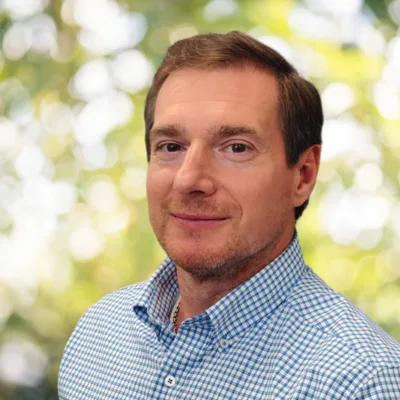
We engaged them to modernize a legacy internal application, and within months, they delivered a solution that exceeded our requirements on every front. What stood out most was their ability to balance speed with sustainability—they delivered results on a tight timeline without cutting corners. Synapse Code is simply the best external partner we've worked with. We're already mapping out our next development phase.
CEO at Advanced Ultrasound Systems

Valentyn and his team helped us build a flexible backend system to manage training sessions, client materials, and participant feedback. What stood out was their ability to translate our needs into a clean, functional platform. Their calm, clear communication and dependable delivery made the whole process feel effortless. And, Valentyn himself, is a thoughtful leader with incredible skills. 10 out of 10 would recommend!
founder

We worked with Valentyn’s team on integrating our AI automation platform with several third-party services via custom APIs. They quickly understood the technical requirements and delivered a clean, well-documented solution that worked out of the box. Their work helped us reduce onboarding time for new clients and made our system much easier to scale. Great communication, fast iterations, and no surprises - highly recommended!
CEO at Aimeice Tech

I worked with Valentyn on a custom web application and it was a great experience. He quickly understood our needs, was deeply involved in the project, and delivered a clear and well-structured solution. Everything went smoothly from start to finish. Highly recommended.
Head of Commercial Operations in Calidad Pascual
We had the pleasure of working with Valentyn Morozov during the implementation of our Electronic Case Report Form (E-CRF) system. From the initial E-CRF setup to troubleshooting technical issues and implementing changes as our requirements evolved, he was always responsive, knowledgeable, and focused on finding the right solution. I highly recommend Valentyn to anyone looking for a knowledgeable, reliable, and committed IT professional.
Country Manager Ukraine at Audubon Bioscience
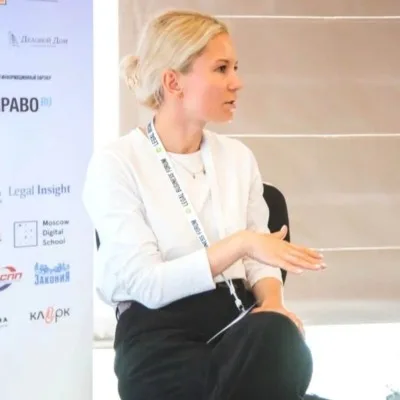
Working with Valentyn has been a game-changer for us at AUS. We brought him and his team in to transition from our legacy internal app to a new platform, and they exceeded our expectations on every front—delivering in just a few months. Valentyn brings a rare combination of deep technical expertise and strong business acumen. His solutions are smart, practical, and built to last, with a clear focus on quality and sustainability.
Marketing at Advanced Ultrasound Systems

I've worked with Valentyn and the Synapse Code team on transforming an early low-code prototype into a production-ready, multi-tenant SaaS platform. They took ownership of the technical complexity across the backend, frontend, infrastructure, AI workflows, and third-party integrations, replacing a fragile setup with a reliable Symfony, React, and AWS foundation. What I particularly value is that Valentyn approaches the work as a long-term technical partner, not simply as someone completing individual tickets.
Founder at Ranking Superior
Start at stage two
The System Risk Check is where every engagement begins — a written picture of your application's risks before you commit to anything.
We use cookies to help you navigate efficiently and perform certain functions. You will find detailed information about all cookies under each consent category below.
The cookies that are categorised as "Necessary" are stored on your browser as they are essential for enabling the basic functionalities of the site. We also use third-party cookies that help us analyse how you use this website, store your preferences, and provide the content and advertisements that are relevant to you. These cookies will only be stored in your browser with your prior consent. You can choose to enable or disable some or all of these cookies but disabling some of them may affect your browsing experience.