Modernisation & Upgrades
Bring an ageing system up to date — without betting the business on a rewrite.
Old code is not the problem. Unmanaged risk is.
An application on PHP 7, Laravel 8 or MySQL 5.7 doesn't need to be thrown away. It needs a plan: which risks are urgent (end-of-life versions, unpatched dependencies, extended-support fees), which parts of the code actually hurt the business, and in what order to fix them while the system keeps serving customers.
We modernise incrementally: upgrade the foundations, add tests around the parts we change, refactor the highest-pain modules first, and keep every step deployable. Full rewrites are a last resort — they are slow, expensive and usually unnecessary.
$900/month removed from an AWS bill
Migrating a legacy MySQL 5.7 database to 8.0 removed roughly $900/month in AWS Extended Support charges for one client.
Zero-drama upgrades
Staged rollouts, tested on production-like environments, with a rollback path at every step.
Signs your system is due for modernisation
- Extended-support or legacy-runtime fees have appeared on your cloud or hosting bill.
- A security scan, insurer or enterprise customer has flagged your PHP or database version.
- New packages and tools won't install because the PHP version is too old.
- Every feature estimate comes back bigger "because of the old code".
- Deploys are manual, rare and nerve-wracking — and there is a server nobody dares reboot.
- Developer candidates hear the stack and decline.
Behind all of these sits the same question: rewrite, or fix what we have? Our default answer is fix — a rewrite is a last resort that needs evidence, not frustration. The full reasoning is on the legacy PHP modernisation page.
two ways we modernise
For older custom PHP systems: dependency management, tests, incremental refactoring towards a maintainable structure (often Laravel or Symfony), while production keeps running. Includes the rewrite-vs-refactor decision, made with data instead of taste.
Version upgrades as a service: PHP 7.x → 8.x, Laravel across major versions, MySQL/PostgreSQL upgrades. Planned, tested and shipped with minimal downtime — then supported afterwards, because we stay accountable for the result.
modernisation questions
Almost always: modernise incrementally. A rewrite freezes features for months, doubles running costs and tends to rediscover edge cases the old code already handled. We recommend a rewrite only when an audit shows the codebase genuinely cannot be evolved — rarer than most teams expect.
Yes — that is the point of the incremental approach. Every step ships to production and the system never stops serving users.
Yes — that is a key advantage of the incremental approach over a rewrite. Modernisation runs in phases alongside normal feature work, and because every step keeps the system deployable, business requests do not have to wait for a big migration to finish.
With a System Risk Check: a structured audit that produces a written risk map and a realistic modernisation plan. Phases are then estimated up front and billed for time actually worked — see how pricing works and How We Work.
It is phased, so there is no single big number: each phase is estimated up front from the Risk Check findings and billed for time actually worked, with a budget cap you control. Some of it pays for itself — migrating one client's MySQL 5.7 database to 8.0 removed roughly $900 per month in AWS Extended Support fees.
No. The older and more fragile the system, the more it benefits from the stabilise-first approach: secure access and backups, add a safety net, then improve step by step. If it runs your business today, it can be modernised — see PHP application maintenance for the oldest systems.
Not the question you had? Our full FAQ covers how engagements start, scale and end.
customer testimonials

We engaged them to modernize a legacy internal application, and within months, they delivered a solution that exceeded our requirements on every front. What stood out most was their ability to balance speed with sustainability—they delivered results on a tight timeline without cutting corners. Synapse Code is simply the best external partner we've worked with. We're already mapping out our next development phase.
CEO at Advanced Ultrasound Systems

Valentyn and his team helped us build a flexible backend system to manage training sessions, client materials, and participant feedback. What stood out was their ability to translate our needs into a clean, functional platform. Their calm, clear communication and dependable delivery made the whole process feel effortless. And, Valentyn himself, is a thoughtful leader with incredible skills. 10 out of 10 would recommend!
founder

We worked with Valentyn’s team on integrating our AI automation platform with several third-party services via custom APIs. They quickly understood the technical requirements and delivered a clean, well-documented solution that worked out of the box. Their work helped us reduce onboarding time for new clients and made our system much easier to scale. Great communication, fast iterations, and no surprises - highly recommended!
CEO at Aimeice Tech

I worked with Valentyn on a custom web application and it was a great experience. He quickly understood our needs, was deeply involved in the project, and delivered a clear and well-structured solution. Everything went smoothly from start to finish. Highly recommended.
Head of Commercial Operations in Calidad Pascual

We had the pleasure of working with Valentyn Morozov during the implementation of our Electronic Case Report Form (E-CRF) system. From the initial E-CRF setup to troubleshooting technical issues and implementing changes as our requirements evolved, he was always responsive, knowledgeable, and focused on finding the right solution. I highly recommend Valentyn to anyone looking for a knowledgeable, reliable, and committed IT professional.
Country Manager Ukraine at Audubon Bioscience
Working with Valentyn has been a game-changer for us at AUS. We brought him and his team in to transition from our legacy internal app to a new platform, and they exceeded our expectations on every front—delivering in just a few months. Valentyn brings a rare combination of deep technical expertise and strong business acumen. His solutions are smart, practical, and built to last, with a clear focus on quality and sustainability.
Marketing at Advanced Ultrasound Systems

I've worked with Valentyn and the Synapse Code team on transforming an early low-code prototype into a production-ready, multi-tenant SaaS platform. They took ownership of the technical complexity across the backend, frontend, infrastructure, AI workflows, and third-party integrations, replacing a fragile setup with a reliable Symfony, React, and AWS foundation. What I particularly value is that Valentyn approaches the work as a long-term technical partner, not simply as someone completing individual tickets.
Founder at Ranking Superior
Related case studies
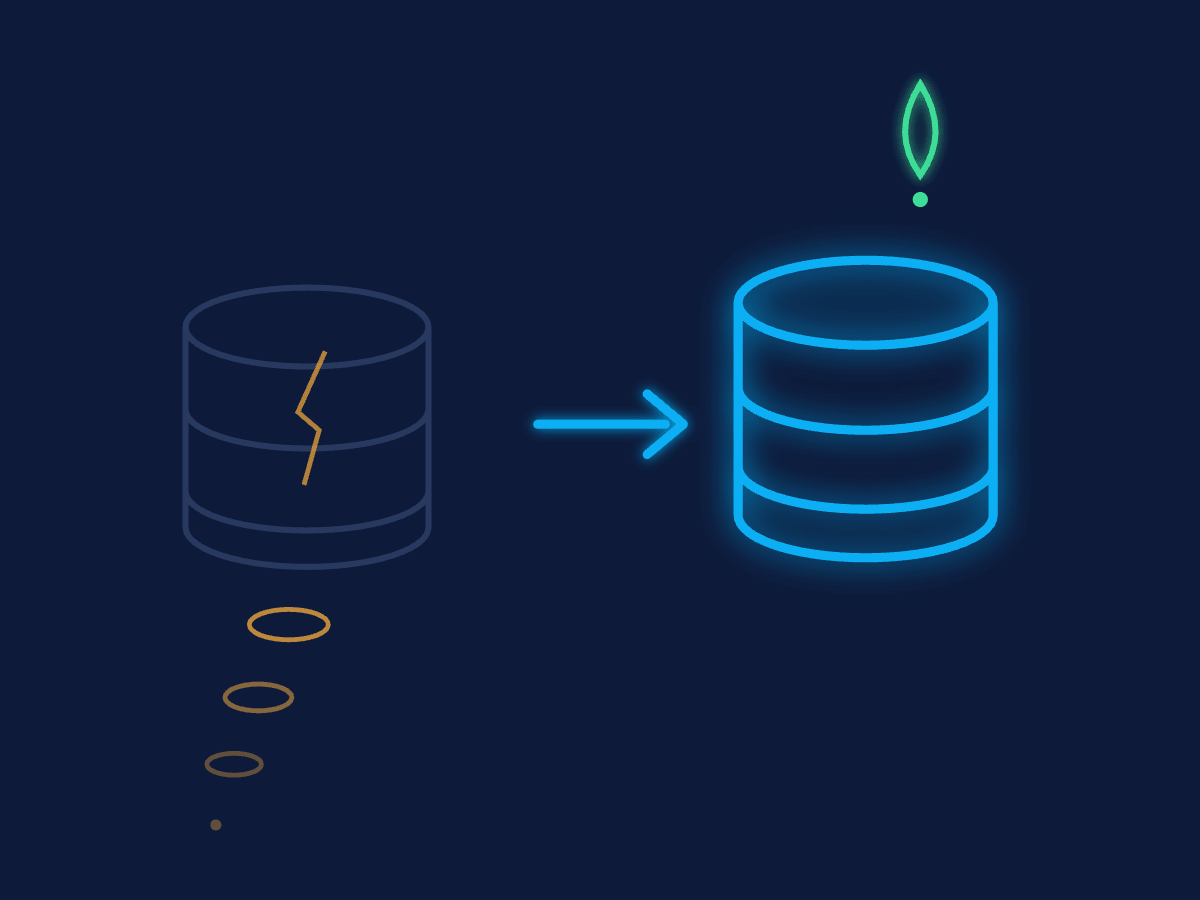
Modernisation & Upgrades MySQL upgrade that cut about $10k a year in AWS costs
An outdated MySQL 5.7 database was quietly adding about $900 a month in AWS Extended Support fees. We planned and ran a safe upgrade to 8.0 around a live legacy application.
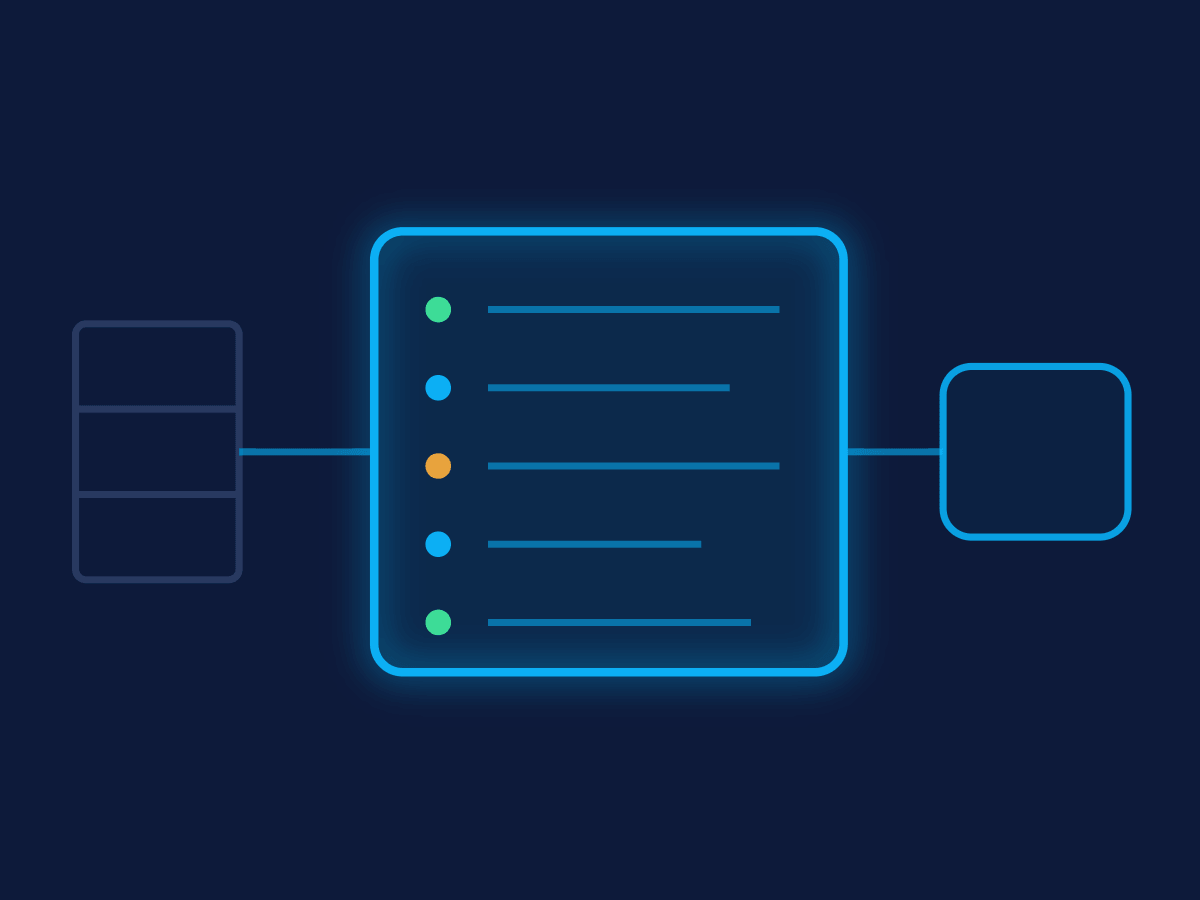
Modernisation & Upgrades REST API on a legacy Symfony app for a headless React frontend
Instead of rewriting a Symfony 3.4 events platform, we exposed its existing business logic through 20+ REST endpoints — unblocking a full React migration at a fraction of rewrite cost.
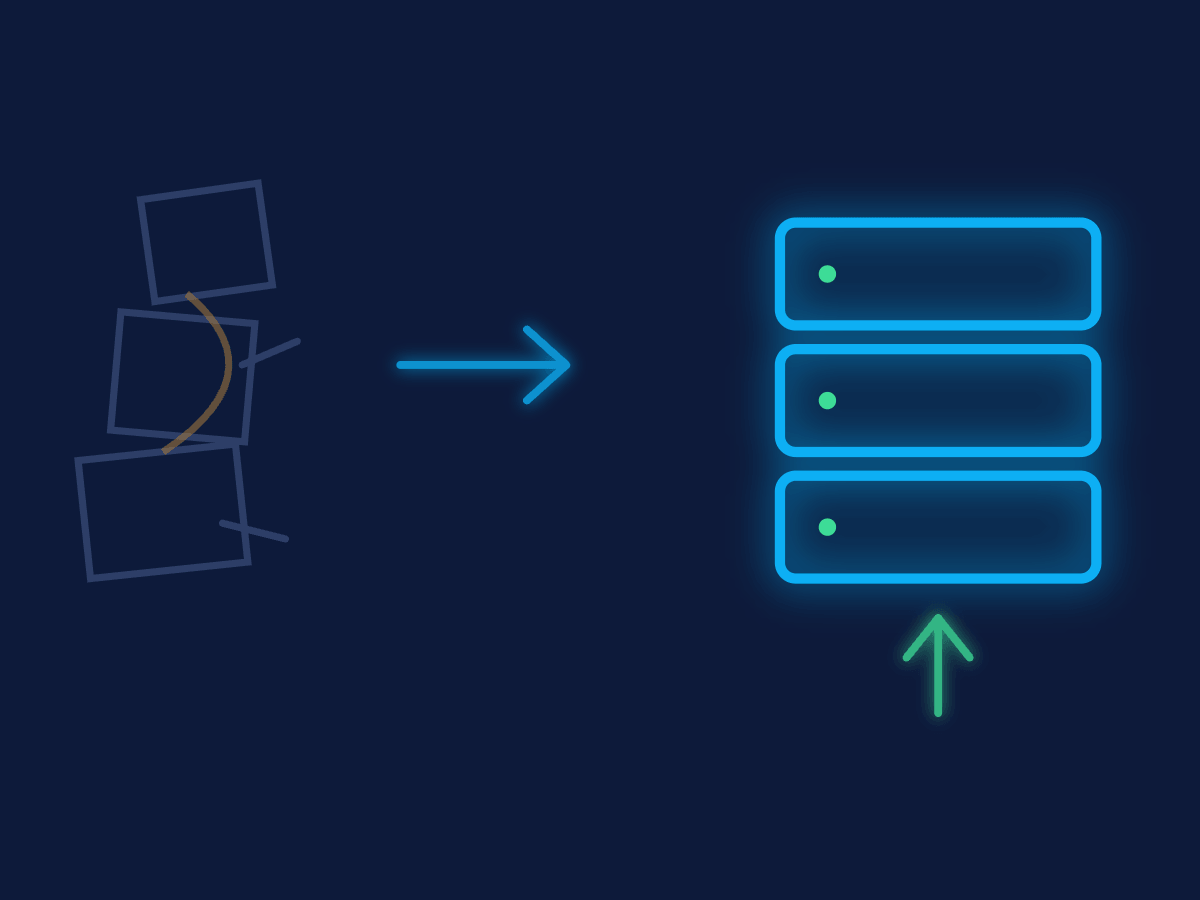
Product Development From no-code prototype to a production SaaS platform
A validated MVP built on Make, Bubble and Replit had hit its ceiling. We re-platformed it into a multi-tenant Symfony + React SaaS with a grounded AI content engine.
Get a modernisation roadmap, not a sales pitch
The System Risk Check tells you which risks are urgent, what can be modernised incrementally, and what it will roughly take — before you commit to anything.
We use cookies to help you navigate efficiently and perform certain functions. You will find detailed information about all cookies under each consent category below.
The cookies that are categorised as "Necessary" are stored on your browser as they are essential for enabling the basic functionalities of the site. We also use third-party cookies that help us analyse how you use this website, store your preferences, and provide the content and advertisements that are relevant to you. These cookies will only be stored in your browser with your prior consent. You can choose to enable or disable some or all of these cookies but disabling some of them may affect your browsing experience.