Legacy PHP Modernisation
Turn a fragile old PHP system into a maintainable asset — step by step, in production.
What “legacy” really means — and what to do next
A legacy PHP application is rarely one problem; it is a stack of small debts: an end-of-life PHP version, dependencies pinned years ago (or no Composer at all), business logic woven through templates, no automated tests, and a production server nobody wants to touch. The system still earns money — that is exactly why it is worth modernising rather than replacing.
Our approach follows the boring, proven path used on every successful legacy project we have done: make it safe to change, then change it in small steps, and keep every step releasable — the way we moved a legacy PHP SAP–Shopify integration to Symfony.
Signs it is time to modernise
- Every change breaks something unrelated — so changes have quietly stopped.
- Only one person understands the code. Or nobody does.
- There are no tests, so every release is a small gamble.
- Business logic lives in templates, and dependencies were pinned years ago — or there is no Composer at all.
- Hiring is hard: candidates hear the stack and pass.
- And still — the system earns money. Which is exactly why it deserves better than a risky rewrite.
incremental modernisation, step by step
Audit & risk map
We inventory the code, database, cron jobs, integrations and hosting, and rank risks by business impact. Delivered as a written report — the System Risk Check.
Safety net
Version control, reproducible environments (Docker), CI, staging, backups and monitoring — the infrastructure that makes change safe.
Foundations first
Composer, PHP version upgrades, framework and database updates — like the MySQL 5.7 → 8.0 migration that removed ~$900/month in AWS Extended Support fees for one client.
Tests where it counts
Characterisation tests around the modules we are about to change — not a quixotic quest for 100% coverage.
Refactor by pain
The modules that block the business get restructured first — towards clean PHP, Laravel or Symfony, one deployable slice at a time.
Keep it modern
Ongoing maintenance so the system never becomes "legacy" again.
rewrite or refactor?
Usually: refactor. A rewrite freezes features for months, doubles running costs, and tends to rediscover edge cases the old code already handled. We recommend a rewrite only when the audit shows the codebase truly cannot be evolved — rarer than most teams expect.
Yes — that is the whole point of the incremental approach. Every step ships to production; the system never stops serving users.
Yes. We regularly take over undocumented systems — see application takeover. The audit produces the documentation that should have existed.
It is phased by design, so there is no single big deadline: every step is deployable, the first improvements ship early, and you can pause between phases. Each phase is estimated up front and billed for time actually worked — see how pricing works and How We Work.
Not the question you had? Our full FAQ covers how engagements start, scale and end.
customer testimonials
We engaged them to modernize a legacy internal application, and within months, they delivered a solution that exceeded our requirements on every front. What stood out most was their ability to balance speed with sustainability—they delivered results on a tight timeline without cutting corners. Synapse Code is simply the best external partner we've worked with. We're already mapping out our next development phase.
CEO at Advanced Ultrasound Systems
Valentyn and his team helped us build a flexible backend system to manage training sessions, client materials, and participant feedback. What stood out was their ability to translate our needs into a clean, functional platform. Their calm, clear communication and dependable delivery made the whole process feel effortless. And, Valentyn himself, is a thoughtful leader with incredible skills. 10 out of 10 would recommend!
founder
We worked with Valentyn’s team on integrating our AI automation platform with several third-party services via custom APIs. They quickly understood the technical requirements and delivered a clean, well-documented solution that worked out of the box. Their work helped us reduce onboarding time for new clients and made our system much easier to scale. Great communication, fast iterations, and no surprises - highly recommended!
CEO at Aimeice Tech

I worked with Valentyn on a custom web application and it was a great experience. He quickly understood our needs, was deeply involved in the project, and delivered a clear and well-structured solution. Everything went smoothly from start to finish. Highly recommended.
Head of Commercial Operations in Calidad Pascual

We had the pleasure of working with Valentyn Morozov during the implementation of our Electronic Case Report Form (E-CRF) system. From the initial E-CRF setup to troubleshooting technical issues and implementing changes as our requirements evolved, he was always responsive, knowledgeable, and focused on finding the right solution. I highly recommend Valentyn to anyone looking for a knowledgeable, reliable, and committed IT professional.
Country Manager Ukraine at Audubon Bioscience
Working with Valentyn has been a game-changer for us at AUS. We brought him and his team in to transition from our legacy internal app to a new platform, and they exceeded our expectations on every front—delivering in just a few months. Valentyn brings a rare combination of deep technical expertise and strong business acumen. His solutions are smart, practical, and built to last, with a clear focus on quality and sustainability.
Marketing at Advanced Ultrasound Systems

I've worked with Valentyn and the Synapse Code team on transforming an early low-code prototype into a production-ready, multi-tenant SaaS platform. They took ownership of the technical complexity across the backend, frontend, infrastructure, AI workflows, and third-party integrations, replacing a fragile setup with a reliable Symfony, React, and AWS foundation. What I particularly value is that Valentyn approaches the work as a long-term technical partner, not simply as someone completing individual tickets.
Founder at Ranking Superior
Related case studies
Maintenance & Support Keeping a Symfony 1 / PHP 5.4 website safely in business
A property website on Symfony 1 and PHP 5.4 still earned its keep. We maintain it carefully — SEO updates, feeds, cache issues — and brought production changes back under Git control.
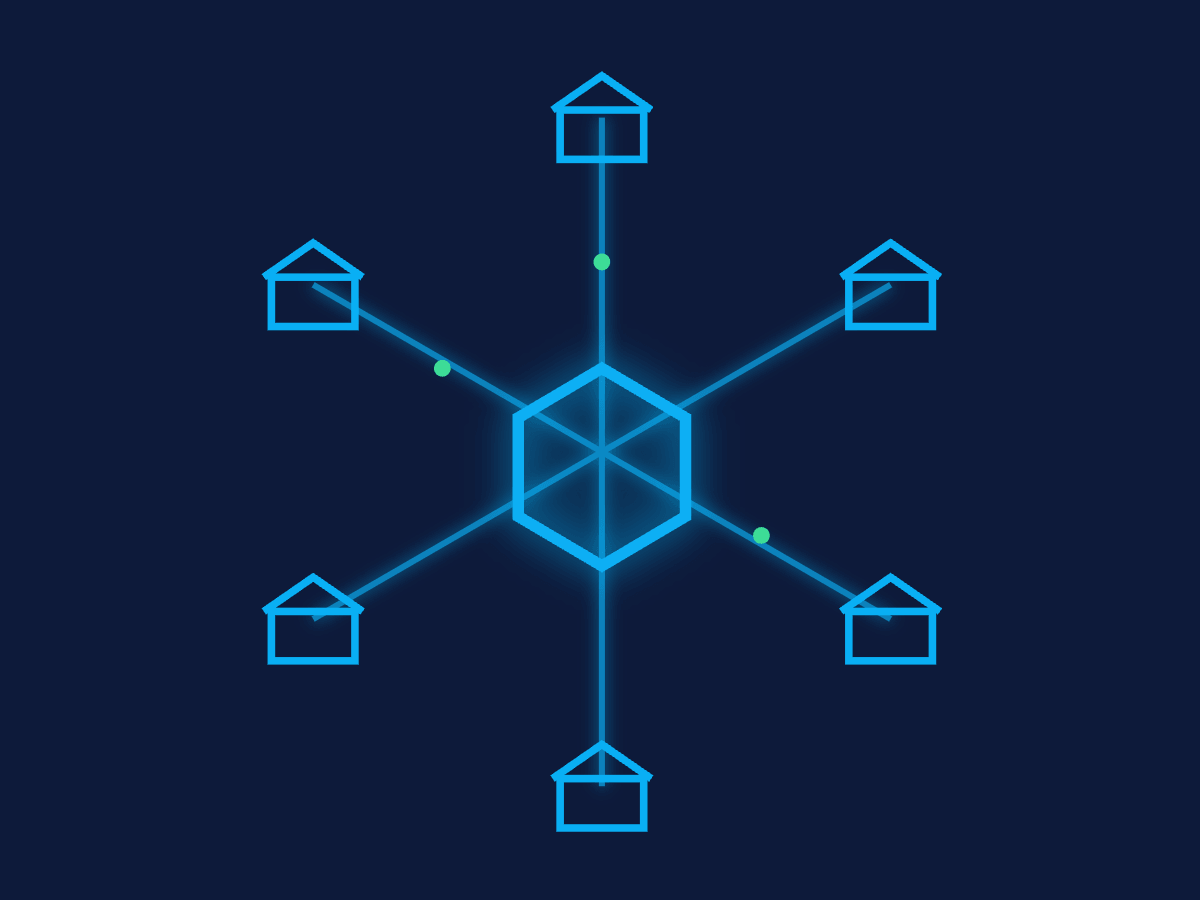
Modernisation & Upgrades SAP–Shopify sync rebuilt from legacy PHP to Symfony
Six storefronts depended on a fragile black-box sync with SAP. We took it over and replaced it step by step with a Symfony middleware — without stopping the business.
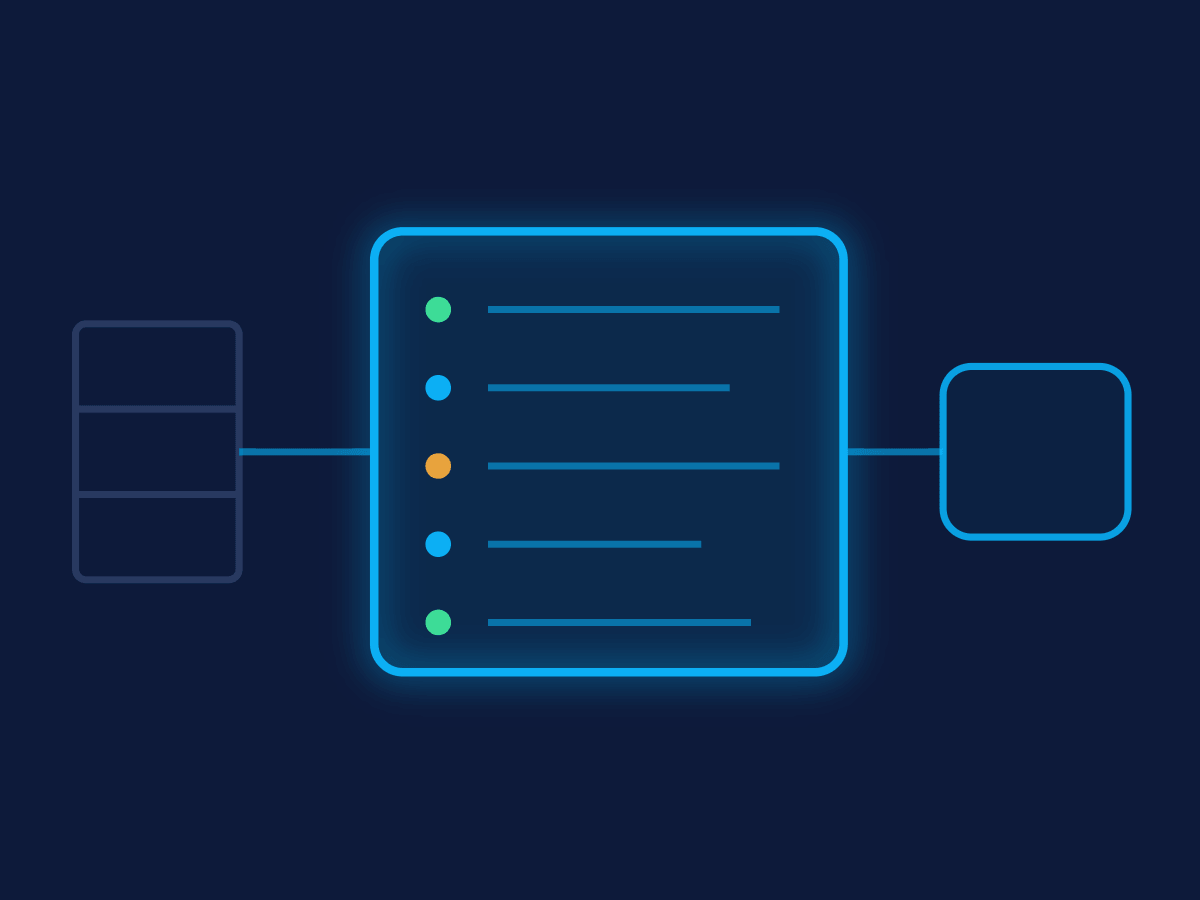
Modernisation & Upgrades REST API on a legacy Symfony app for a headless React frontend
Instead of rewriting a Symfony 3.4 events platform, we exposed its existing business logic through 20+ REST endpoints — unblocking a full React migration at a fraction of rewrite cost.
Find out what modernising your system actually takes
Request a System Risk Check. You get a written risk map and a realistic, incremental modernisation plan — whether or not you continue with us.
We use cookies to help you navigate efficiently and perform certain functions. You will find detailed information about all cookies under each consent category below.
The cookies that are categorised as "Necessary" are stored on your browser as they are essential for enabling the basic functionalities of the site. We also use third-party cookies that help us analyse how you use this website, store your preferences, and provide the content and advertisements that are relevant to you. These cookies will only be stored in your browser with your prior consent. You can choose to enable or disable some or all of these cookies but disabling some of them may affect your browsing experience.